
Most people who struggle with disordered eating have been through the cycle more times than they can count. You restrict and then you binge and then you hate yourself for it and start over. You follow the plan perfectly for a while and then something happens and you’re right back where you started, feeling like a failure because you can’t seem to do the one thing everyone else manages without thinking about.
But the meal plans and the calorie counting can’t fix it because the reason you started using food to cope in the first place has never been addressed. For most people who end up in our practice, disordered eating started as a response to something painful that they didn’t have another way to manage. At Centered by the Sea, we work with people who are ready to look deeper into what’s driving it.
How Disordered Eating from Trauma Shows Up
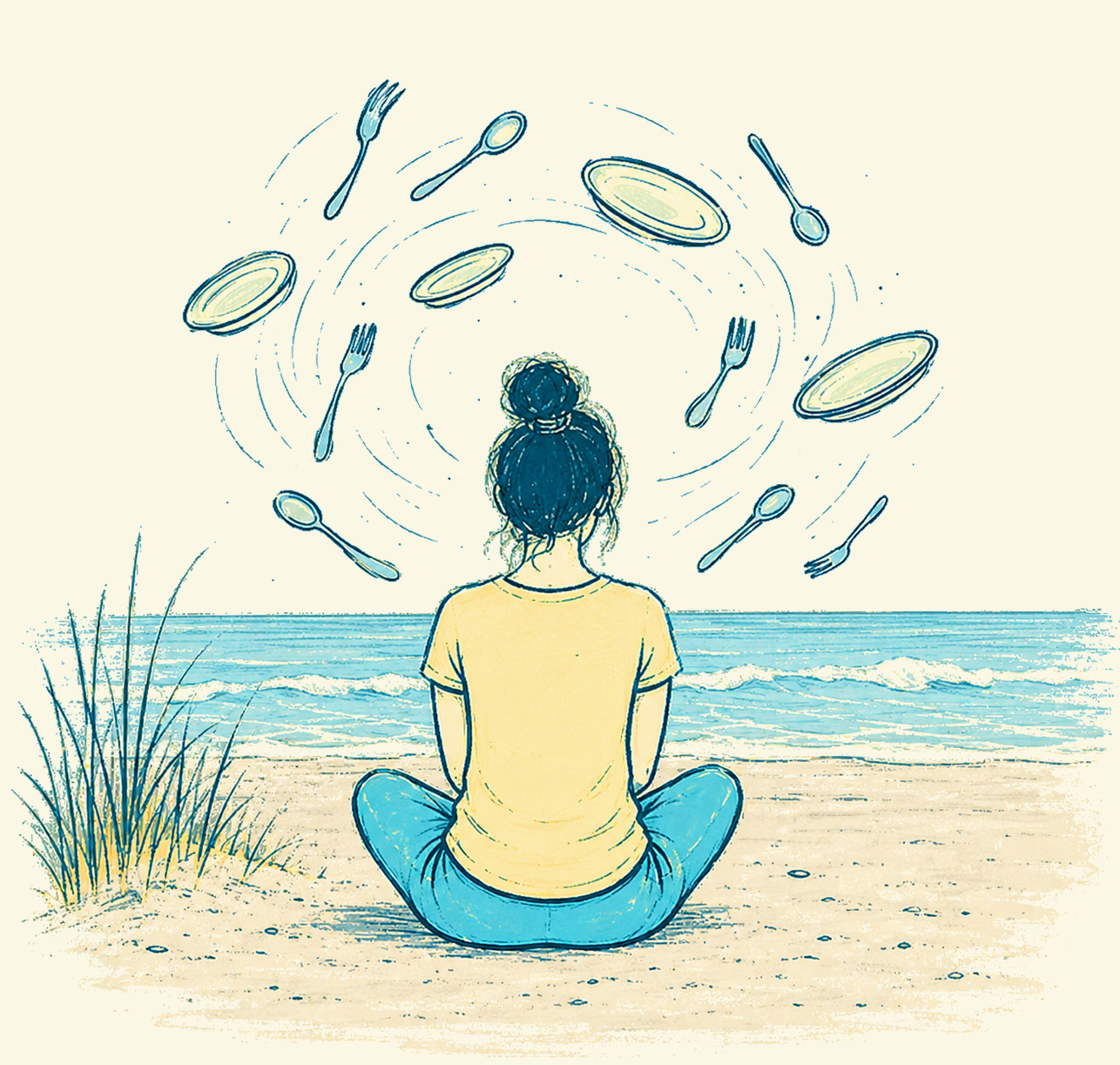
The pattern usually has a trigger. Something happens during the day that leaves you feeling powerless or small and the behaviour kicks in before you’ve even registered what set it off, because your body learned a long time ago that food is the fastest way to manage a feeling you can’t sit with.
What keeps it invisible is that disordered eating doesn’t always look dramatic. You might have been skipping meals under stress for years and nobody has ever questioned it, or exercising to a punishing degree while people compliment you for your discipline. When something has been part of your life that long it makes it so much harder to ask for help because it’s a comfortable routine, not an obvious problem.
The shame cycle is what locks it in place. You tell yourself this is the last time, you hold it together for a while, and then something happens and you’re right back in it feeling more disgusted with yourself than before. That cycle has nothing to do with willpower and everything to do with what the eating is protecting you from feeling.

What’s Underneath
For a lot of people who struggle with disordered eating, the relationship with food got tangled up with safety very early in life.
Mealtimes might have been unpredictable or emotionally charged, or your body was violated or criticized in ways that made you want to disappear from it entirely. Food became the bridge between you and a feeling that was too big to process at the age you were when it happened.
The connection between the trauma and your eating patterns isn’t always obvious. Some people can trace it clearly but others have spent years believing they’re just weak, and that belief has become its own wound sitting on top of the original one. Understanding that eating was never about food and that it was the smartest thing your system could come up with at the time, doesn’t make it go away overnight. But it changes how you relate to yourself while you’re doing this work, and that alone can be the difference between another failed restart and something that holds this time.
Our Approach
The eating is what brought you here but it's not where we focus first. We need to understand what happened to you because that's what's driving the cycle, and until that gets attention, your relationship with food will keep running the same pattern no matter how many fresh starts you make.
We move carefully with this work because disordered eating served a real purpose for a long time.
Your system built it for a reason and we respect that while helping you develop other ways to manage what comes up so that food doesn't have to carry that weight anymore.
We help you reconnect with your body in a way that feels safe.
For a lot of people who've experienced trauma, the body became the enemy a long time ago. We work on learning to notice what you're feeling physically without your system immediately reaching for food to manage it. Over time you start to tolerate sensations and emotions in your body that used to send you straight into the cycle. This emotional work is what breaks the cycle.
You've Been Treading Water For Too Long
You've been fighting this with willpower for years and it hasn't worked because willpower was never the problem.
Centered by the Sea can help you get to what's underneath it.
Reach Out
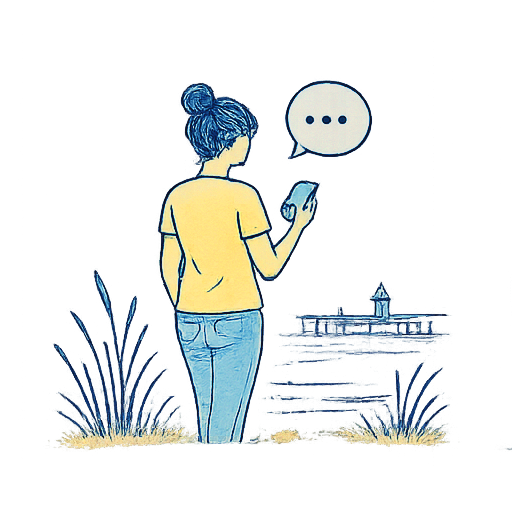
Call us 516-123-4568, email hello@centeredbythesea.com, or fill out the contact form and tell us what's going on.
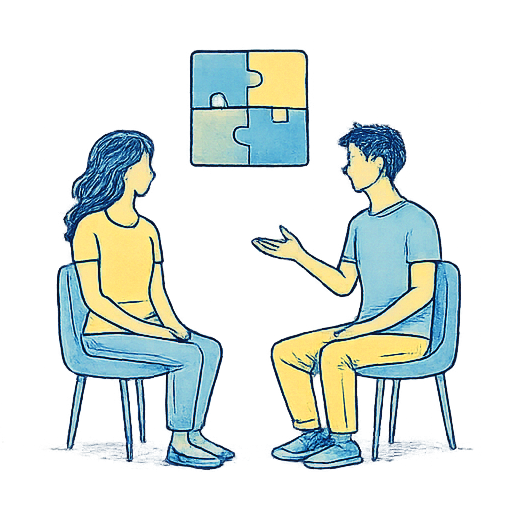
Find Your Fit
We'll check your insurance and match you with the right therapist for what you need.
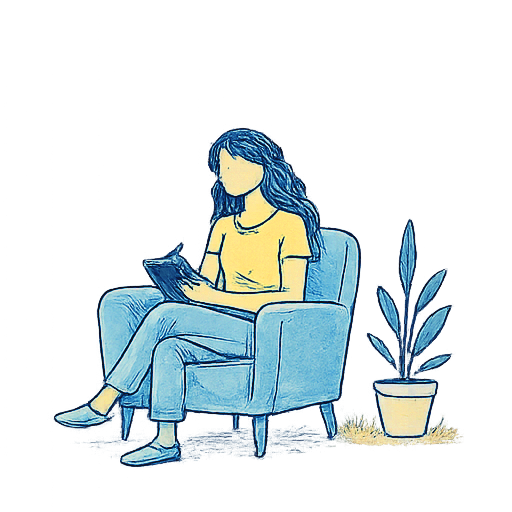
Start the Work
Meet your therapist in person at our Long Beach office or online from wherever you are.