


Most people who are living with the effects of trauma don’t walk into therapy saying “I have trauma.” They come in saying they have anger they can’t control, or relationships that keep falling apart. They’ve been treating the symptoms for years without connecting them to what happened, partly because they’ve convinced themselves it wasn’t that bad and partly because no one ever helped them to make that connection.
Trauma doesn’t have to be the dramatic, headline-worthy kind to leave a mark. It can be the thing that happened in your family that nobody talked about, or the childhood where nothing was technically “wrong” but nothing felt safe either. If it changed the way you move through the world, it counts. You don’t need to earn the word.
At Centered by the Sea, we work with people who are starting to realize that the thing they’ve been working around for years might actually be the thing that needs the most attention.
How Trauma and PTSD Show Up
Sometimes it’s obvious. A sound or a smell sends you somewhere else entirely and by the time you come back to the room your heart is pounding and your hands are shaking and you don’t know how to explain what just happened to the person sitting next to you.
But for a lot of people it’s more subtle than that. You’ve become so good at reading a room and adjusting yourself to whatever feels safest that you don’t even notice you’re doing it anymore. It just feels like who you are, this constant low-level vigilance that runs in the background of every interaction. You can even talk about what happened with a completely flat voice as if it’s someone else’s story, because that’s the only way you’ve figured out how to hold it.
You might notice that intimacy feels dangerous even when the person in front of you is safe. You keep people close enough to not be alone but never close enough to be truly known, and when someone gets past that barrier your whole system goes into overdrive looking for the reason you should push them away before they get the chance to hurt you.
And then there’s sleep, or the lack of it. Your brain waits until everything is quiet to drag you back through everything you spent the day avoiding, and eventually bedtime stops feeling like rest and starts feeling like a threat.

What’s Underneath
Trauma rewires your nervous system.
It teaches your body that the world is dangerous and that lesson gets encoded so deeply that your system keeps responding to the original threat long after it’s over. You’re not choosing to react this way. Your body learned something a long time ago and it never unlearned it.
But trauma also changes something deeper than your nervous system. It changes the story you tell about yourself. You might believe you’re fundamentally damaged or that you deserved what happened. You might have learned that your needs are dangerous and that showing vulnerability will be used against you, so the safest version of you became the one that doesn’t need anyone. Those beliefs were survival strategies once. Now they’re running your life and you don’t even recognize them as beliefs anymore. They just feel like facts about who you are.
The relationships in your life now are shaped by all of this. How much of yourself you let people see and how quickly you shut down when someone gets too close. None of that is random. It all connects back.
Our Approach
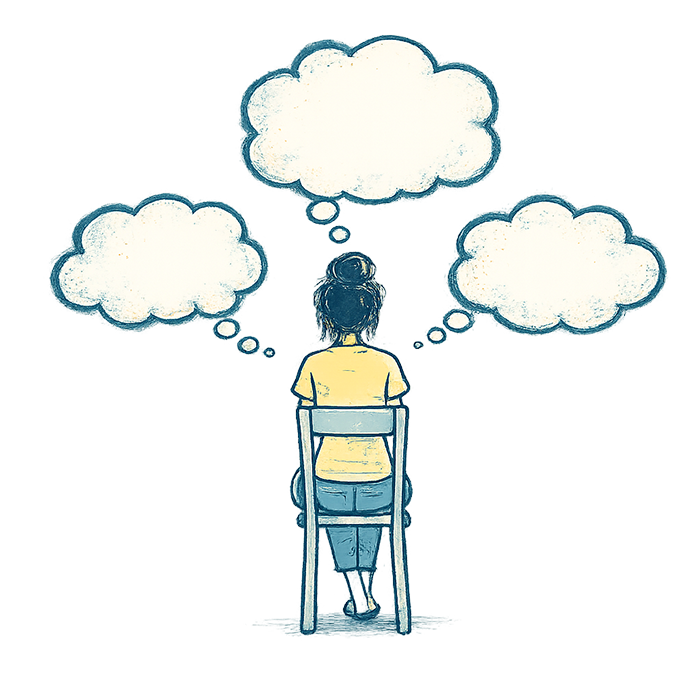
We don’t push you to talk about what happened before you’re ready. Trauma work isn’t about reliving the worst moments of your life on someone else’s timeline. It’s about building enough safety in the room that when you are ready, you have somewhere to put it down.
We pay attention to what’s happening in your body because that’s where trauma shows up first.
Your system responds long before your conscious mind catches up, and understanding that changes how we work with you. We go at a pace that respects how long you’ve been carrying this and we don’t pretend that a few sessions will undo years of survival wiring.
We also work on what trauma did to your relationship with yourself. The beliefs it left behind and the ways you’ve been protecting yourself that are now keeping you stuck. That work takes time and it asks a lot of you, but it’s where things start to change.
You’ve Been Treading Water For Too Long
You don’t have to have the full story worked out before you come in.
You don’t even have to use the word trauma if it doesn’t feel like yours yet. If any of this feels familiar, trust that.
Centered by the Sea is here when you’re ready.
Reach Out
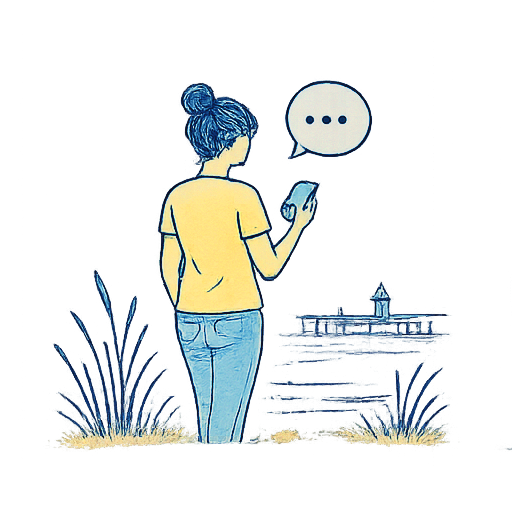
Call us 516-123-4568, email hello@centeredbythesea.com, or fill out the contact form and tell us what’s going on.
Find Your Fit
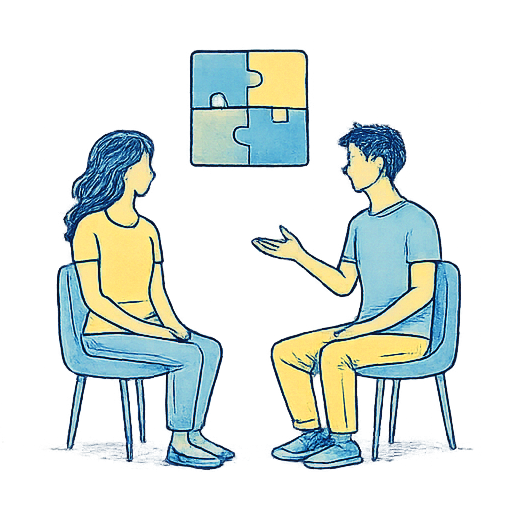
We’ll check your insurance and match you with the right therapist for what you need.
Start the Work
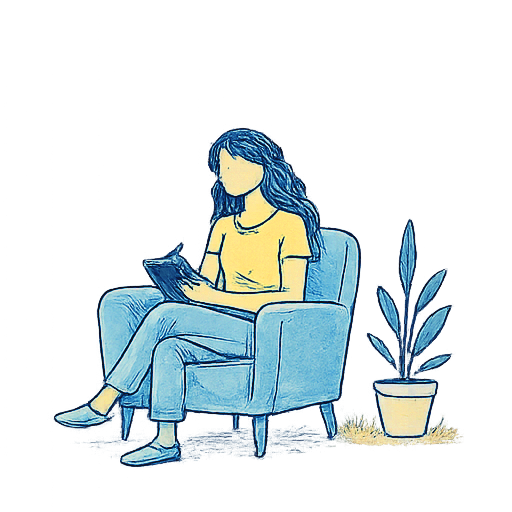
Meet your therapist in person at our Long Beach office or online from wherever you are.